
Meet our guest
David is the Chief Learning Officer at 360Learning and a highly respected voice in the Learning & Development industry. With a focus on harnessing technology to drive impactful learning strategies, David is recognised as one of the top 10 global influencers in the L&D space. His expertise lies in helping organisations modernise their approach to workplace learning, ensuring measurable results and business alignment.
David is also the host of The Learning & Development Podcast, which has amassed over 500,000 downloads and ranks in the top 1% of podcasts globally. With more than 30,000 LinkedIn followers, he continues to shape the conversation around L&D innovation and best practices, drawing on his deep experience, including his time as Director of Learning, Talent & Organisational Development at The Walt Disney Company.
.webp?width=300&height=300&name=DavidJames-HIGHRES-21_(1).webp "DavidJames-HIGHRES-21_(1)")


Where are you on the L&D Maturity Model Curve?
Background context: Learning teams are busier than ever. New platforms. New programs. New content libraries. And yet—despite all that effort—many still struggle to demonstrate real business value.
The problem isn’t capability or intent. It’s positioning.
David argues that most L&D teams are operating exactly as expected—and that expectation itself is what keeps them stuck. When learning is designed around responsiveness instead of outcomes, impact becomes almost impossible to prove.
“The expected and requested version of learning and development is almost the lowest level of maturity.”
Without a shared understanding of where learning sits today, teams end up polishing the same low-impact approach instead of evolving it. The L&D Maturity Model exists to change that—by giving teams language, clarity, and a realistic path forward.
Key Insight #1: Reactive L&D Optimizes for Safety, not Impact
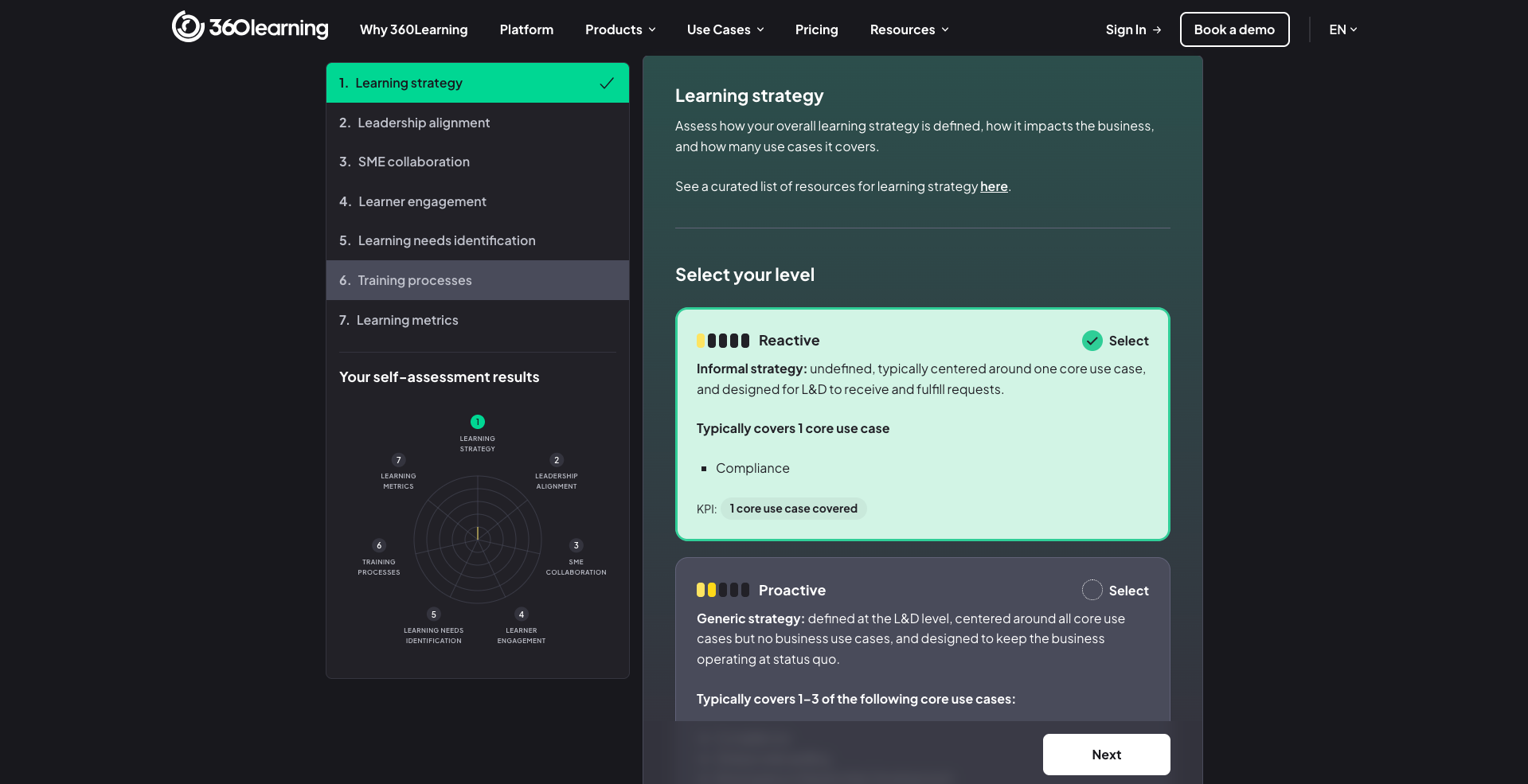
At the lowest rung of the maturity model, learning is reactive. This is where compliance dominates.
Training exists to protect the organization—legally and operationally. Requests are ad hoc. Learning feels urgent, but directionless.
🎤 “There’s very little there except compliance.”- David James
Nothing here is broken. In fact, there’s good intent behind it. But impact is almost impossible when learning only responds to problems after they appear.
The shift begins by recognizing this stage for what it is—not a failure, but a starting point.

Key Insight #2: Proactive L&D Creates Structure, but Still Falls Short
The next stage brings order.
Platforms are implemented. Course catalogs are built. Learning becomes centralized—a one-stop shop.
This is progress. But it’s not strategy.
Without a deep connection to business outcomes, proactive L&D still struggles to answer the question leadership cares about most: Did this actually change anything?
Access improves. Visibility improves. Influence does not.
🎤 “A one-stop shop is designed for engagement, not performance.”- David James

Key Insight #3: Strategic L&D Turns Access into Influence
The real transformation happens when learning becomes consultative.
At the strategic stage, L&D stops taking orders and starts asking harder questions:
-
What are you trying to achieve?
-
What does success look like?
- What would the consequences be of doing nothing?
Learning becomes aligned to outcomes, not requests. Existing platforms and content still exist—but they become hygiene factors, not the strategy itself. This is where L&D starts to earn trust as a business partner.
🎤 “The key to impact is that you plan for it—you don’t find it after the event.”— David James

Key Insight #4: Transformative L&D Anticipates the Business
At the highest level, learning no longer reacts to strategy—it anticipates it.
Skills-based learning enables this shift:
- Roles mapped to evolving skills
- Learning time focused on real proficiency gaps
- Clear pathways for growth and mobility
But David is clear: you can't skip here. Every stage is a rung on the ladder and progress only sticks when governance locks it in.
🎤 “When learning time helps peope move through real skill proficiency, it becomes an engine for progress.”— David James